Exporting green coffee beans and raw cocoa beans to international markets is a great way to grow your business. But to succeed, you must prepare your shipment properly. Buyers expect high quality, correct packaging, and full compliance with international standards.
In this article, we explain step-by-step how to prepare your coffee and cocoa shipment for export, and how working with a professional inspection company like TBK Logistics can help.
1. Understand Buyer Requirements
Before doing anything, make sure you know what the buyer wants. This includes:
- The quality grade of coffee or cocoa
- Moisture content and physical condition
- Type of packaging and labeling
- Quantity and shipping terms
Having clear communication with the buyer will help you avoid mistakes later.
2. Sort and Grade Your Beans
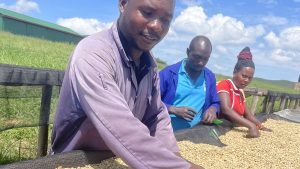
Make sure your coffee or cocoa beans are sorted and graded properly. Defective beans, stones, and other unwanted materials should be removed.
Tip: Use skilled workers and follow standard grading guidelines to ensure consistency.
3. Check Moisture Content
Beans with high moisture content can spoil during shipment. Coffee should be around 10-12%, and cocoa around 6-7%.
Solution: Use a moisture meter or hire a professional inspector like TBK Logistics to test the beans before packing.
4. Use the Right Packaging Materials
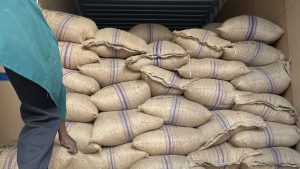
Use strong, clean, and export-quality bags. Jute or sisal bags are commonly used. Each bag should be well-stitched and free from tears.
Labeling Tip: Include important details like product type, origin, weight, grade, and buyer’s reference number.
5. Get a Pre-Shipment Inspection (PVoC)
Some countries require a Pre-Export Verification of Conformity (PVoC) certificate. This inspection checks if your goods meet the importing country’s standards.
TBK Logistics provides PVoC inspections for coffee and cocoa exporters in Uganda, ensuring your products are certified before shipment.
6. Inspect the Export Container
The shipping container should be:
- Clean and free of smells
- Dry and moisture-free
- Without holes, rust, or damage
TBK Logistics offers full container inspection services to confirm that the container is fit for loading.
7. Supervise Loading and Sealing
During loading, make sure:
- Bags are handled properly to avoid damage
- Space is used efficiently
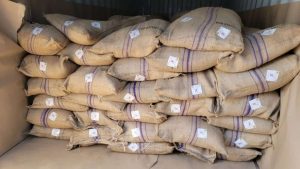
- Container is sealed correctly, and the seal number is recorded
A loading supervision service helps ensure everything is done right.
8. Prepare All Export Documents
You will need documents like:
- Invoice and packing list
- Certificate of origin
- Bill of lading
- Inspection certificate or PVoC report
Make sure everything is complete and correct to avoid delays at customs.
Conclusion
Preparing a coffee or cocoa shipment for export takes careful planning and attention to detail. But with the right support, you can avoid costly mistakes and build trust with your international buyers.
At TBK Logistics, we help Ugandan exporters through every step—from quality checks and container inspections to PVoC certification.
Need help preparing your next export shipment?
Contact us at info@tbklogistics.co.ug or call +256 780 942 946.